Master Class: How Pingry Rebuilt Its Volunteer Program and Grew Its Annual Fund 22.7% YoY
Nov 2026 - READ IN 9 MINUTES

Ask a room of advancement professionals who still tracks volunteers in a spreadsheet, and most hands go up. Ask who feels the drag every time they update a formula or chase down a donor’s status, and most hands stay up.
Spreadsheets work when you manage a handful of volunteers. They break down when more than 150 parents and alums are asking for gifts on your school’s behalf.
Spreadsheet anxiety is real, but it’s also completely avoidable.Mackenzie Eford The Pingry School
About The Pingry School
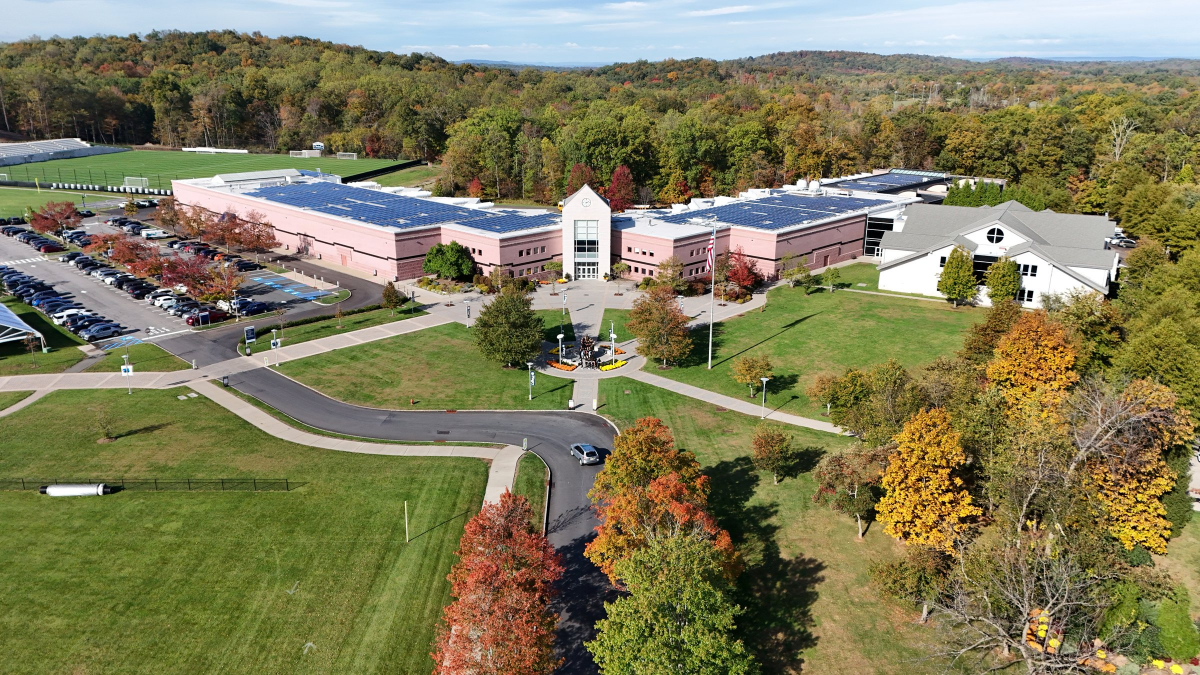
The Pingry School is a co-educational Independent School in New Jersey, founded in 1861. Its 1,208 students in grades K–12 learn across three campuses: lower school in Short Hills, middle and upper school in Basking Ridge, and experiential learning in Pottersville. The school community includes roughly 900 current families and 8,000 living alumni.
Pingry’s 17-person development team includes three people dedicated to the Pingry Fund, the school’s annual fund. One manages alumni volunteers, another manages parent volunteers, and both report to the director of annual giving.
When Mackenzie Eford, Assistant Director of Development for Alumni Annual Giving, joined Pingry about three years ago, alumni volunteer fundraising had completely dwindled down. Historically, alumni fundraising operated without a formal volunteer management platform, with peer-to-peer solicitations limited primarily to board members. Staff built class lists by hand in Excel and Google Sheets and emailed them out every week. The volunteer handbook ran close to 20 pages, and few volunteers read it.
Parents and board members already worked in GC Volunteer Management. Alumni volunteers needed the same setup, and Eford needed her time back.
Some volunteers pushed back. They didn’t want a new system or another login, and they preferred to work from their own email. Eford set out to make the platform the easiest option volunteers had.
Inside Pingry’s volunteer playbook
Pingry’s approach rests on one idea: staff handle the setup so volunteers can focus on asking. Here are seven plays you can adapt for your own program.
1. Learn the platform before you teach it
Eford started by onboarding herself.
Pingry’s alumni volunteers span six decades, from the class of 1963 to 19-year-olds, and their comfort with technology varies just as widely. Eford tells every recruit they don’t need to be tech-savvy, and that alone puts most of them at ease.
Training happens in a virtual session with a GiveCampus representative about three weeks before Pingry’s giving day. The team once hosted in-person sessions with laptops and snacks, but most parents joined by Zoom anyway, so Pingry moved training fully online. The recording lives in the platform, and some parents come back for a refresher two years later.
For volunteers recruited midyear, Eford offers a one-on-one Zoom. She opens the platform with the volunteer’s own view, pulls up their assignments, and shares her screen so they see exactly what they’ll see when they log in. One longtime alum still prefers to come to campus and work from a contact list. Every other volunteer works in the platform.
2. Cut the job description to three asks
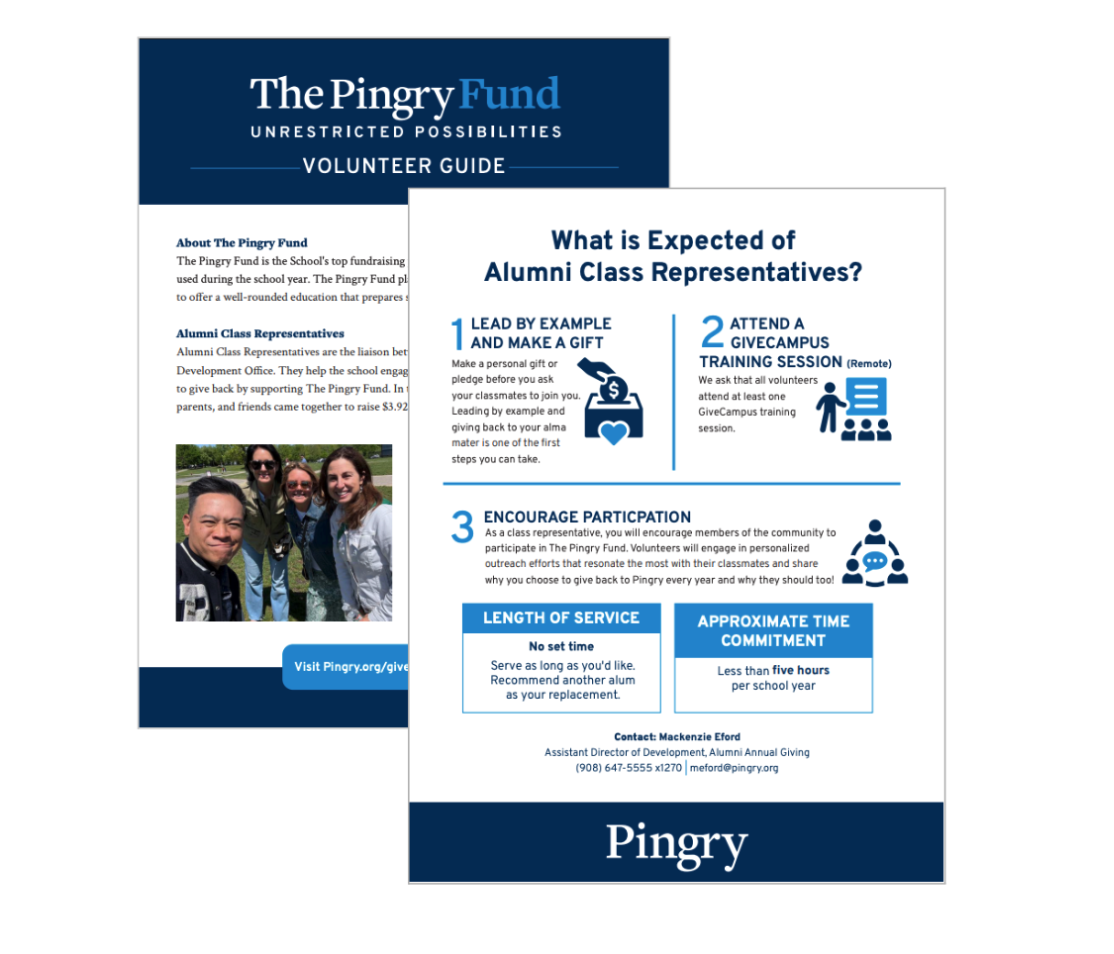
Eford replaced the lengthy handbook with a double-sided one-pager built around three commitments:
- Attend a GiveCampus training session.
- Contact each assignment at least twice before Ring the Bell, Pingry’s annual celebration of giving.
- Make your own gift to the Pingry Fund.
The guide puts the time commitment at less than five hours per school year. Eford gives volunteers a 30-day runway for each outreach push, and several tell her it takes five minutes of a weekend or a lunch break.
There’s no fixed term of service. Volunteers re-up each year, and anyone who needs to step away is asked to recommend a replacement, so the volunteer base keeps refilling itself.
3. Give each volunteer group a structure and the right view
Pingry organizes volunteers into five groups:
- Alumni class agents (39)
- Parent Pingry Fund volunteers (104), led by two Pingry Fund co-chairs and two parent co-chairs per school
- Development committee members (16), drawn from the board of trustees
- Faculty volunteers (3), one from each division
- Big Blue Gift Committee members (23), Pingry’s senior class giving committee
Eford chooses assignments for her volunteers, up to 25 each. Many ask for more once they see how little time the outreach takes.
Each group also sees different information. Development committee members see giving history and ask amounts. Alumni class agents and parent volunteers see participation-focused details, such as a student’s grade, with no ask amounts. Staff no longer black out giving history and mailing addresses before sharing a list.
Faculty volunteers and seniors aren’t on the platform yet. They focus on participation, where a $5 gift counts. Seniors also run stewardship tables, where students write thank-you notes to longtime donors. Eford sees both cohorts as room to grow.
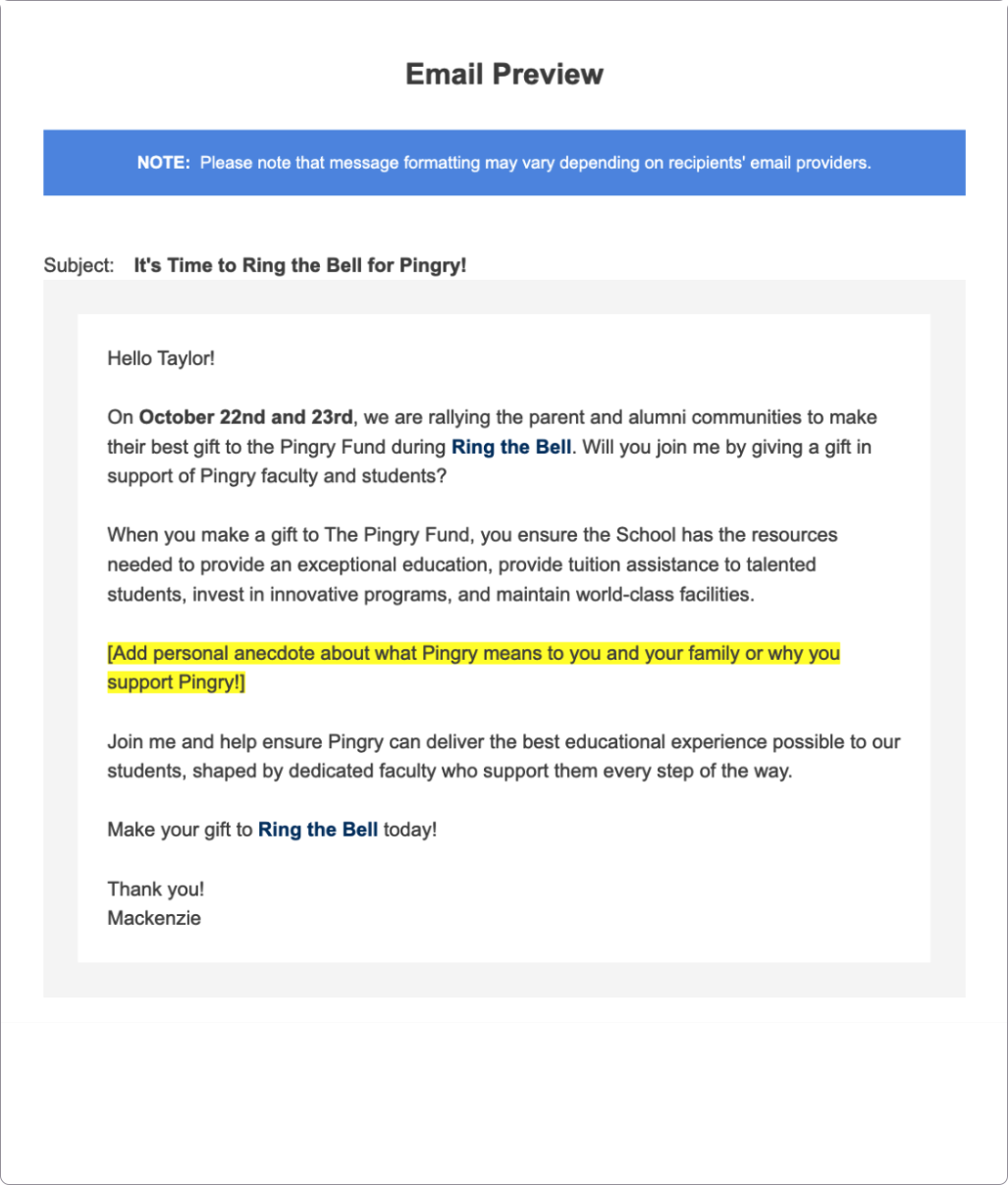
4. Write every message so volunteers only hit send
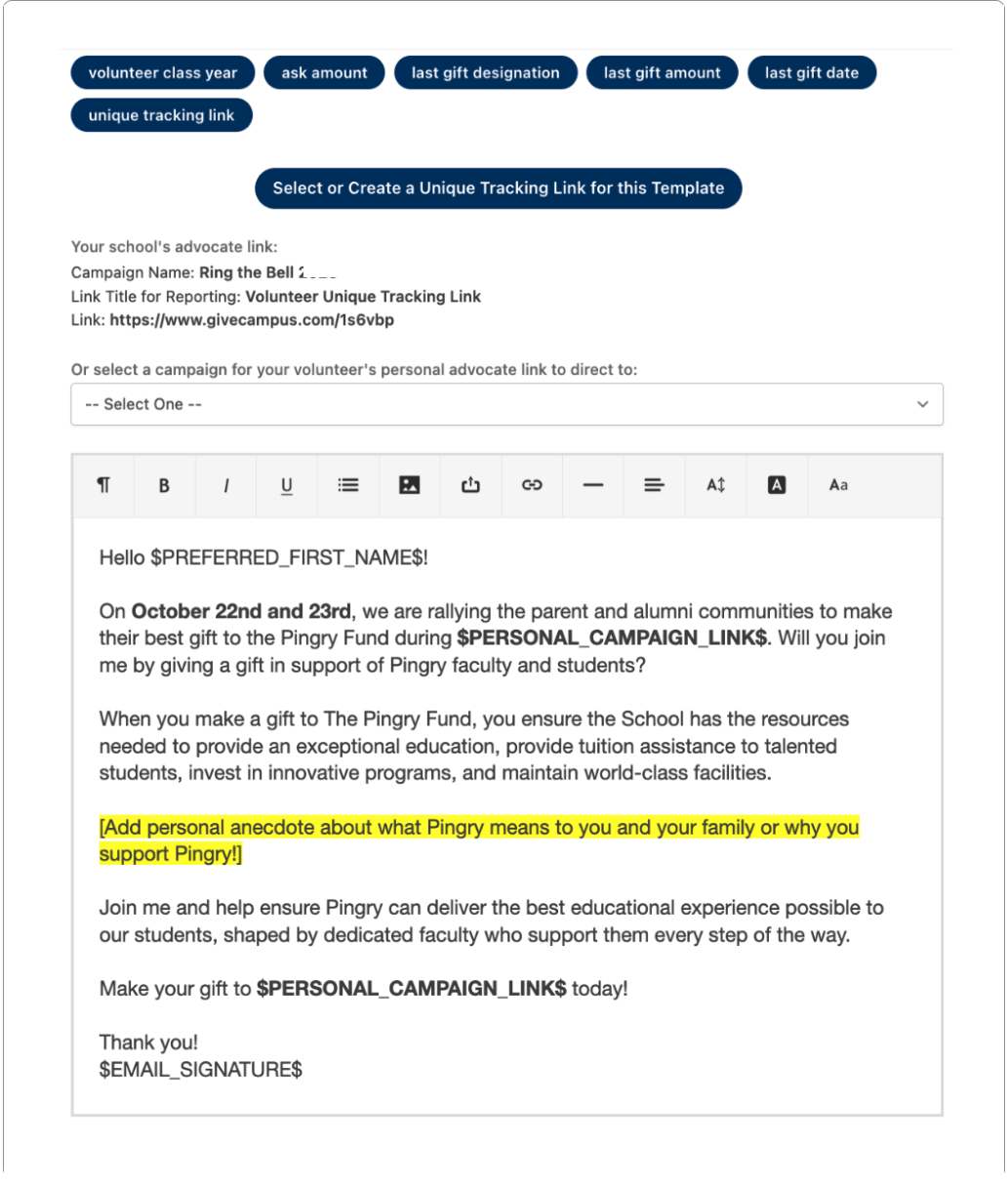
Pingry’s staff write every email and text template volunteers use. Each template fills in the recipient’s first name and the volunteer’s personal campaign link automatically. A highlighted line invites the volunteer to add a personal note, such as “Great to see you at car line this morning.”
Sending takes 15 to 30 seconds per person: open an assignment, choose the template, and click send. Volunteers can also text from the platform using a number with the school’s local area code. Young alumni favor texting, and for some volunteers, reaching out through the school’s system feels less awkward than texting a classmate they haven’t seen in 20 years.
Templates follow the calendar. As the year moves on, staff hide outdated templates, so volunteers see only what’s current: Ring the Bell messages in the fall, year-end messages in December, and reunion messages in the spring.
Pingry’s volunteer calendar
- July–August: Recruit, refer, and renew
- September: Onboard volunteers, upload templates, and make assignments
- October: Postcard drop, then outreach ramps up for Ring the Bell
- November: Thank-you emails
- December–January: New year-end templates
- February–March: Valentine’s challenge to honor a current or former teacher, plus a third round of outreach
- April–May: End-of-fiscal-year templates and new assignments
- June: Final fiscal-year outreach
5. Track every link and coach with what you learn
Every volunteer’s personal campaign link records clicks and gifts, so Eford can see which donors gave through whose outreach. Each time a volunteer emails an assignment, she gets a notification, which shows her who’s active and who needs a nudge. Volunteers can also log gift notes, like a classmate promising a check in the mail, and staff record those gifts in the school’s database.
Bess, a Pingry parent and alum who takes both parent and alumni assignments, contacted 43 of her 44 assignments in FY26. Seven donors gave through her link, for $23,000 raised plus a $25,000 family pledge. High performers like Bess can take on more assignments. Volunteers with few clicks get coaching, often on how to personalize their outreach.
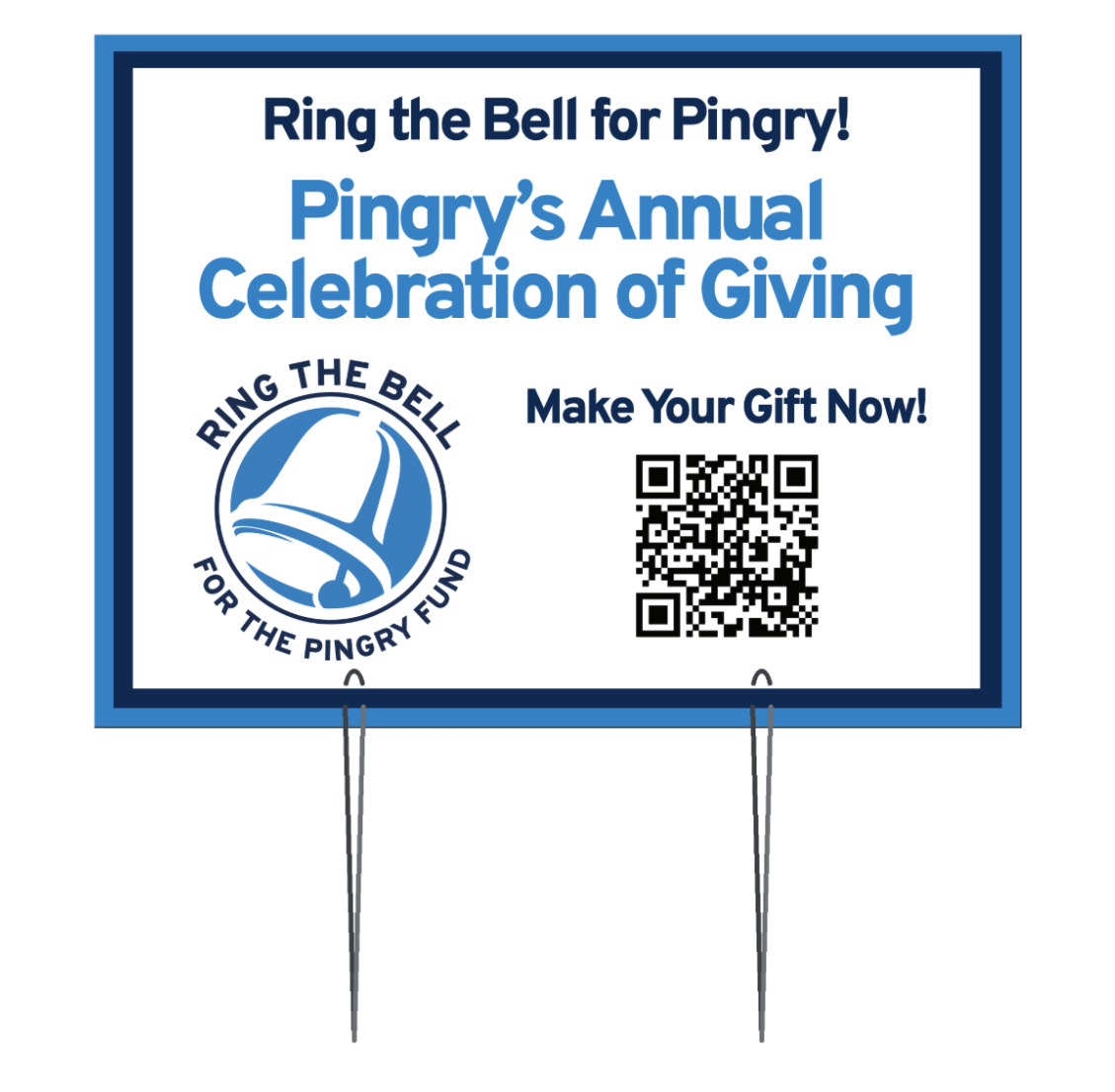
The same tracking extends to campus signage. Every QR code on Ring the Bell lawn signs and banners carries its own link, so the team can see how many people scanned and gave. The team can drop any sign that doesn’t earn its spot the next year.
6. Build the year around an annual celebration of giving
Ring the Bell is Pingry’s annual 48-hour celebration of giving, held each October in honor of founder Dr. John Francis Pingry’s birthday. It’s the main moment Pingry asks parents and alumni to give, and donors who give during Ring the Bell are removed from later appeals. Families now expect it every fall, and seniors learn the habit before they graduate.
A postcard lands two weeks out and cues volunteers to make first contact. From there, volunteers reach out once before the giving day, once on each of its two days, and once more to say thank you.
During the 48 hours, co-chairs lead mini-challenges for specific groups—young alumni, reunion classes, lower school parents, senior parents—and rally their peers in real time: “Senior parents, we’re five away.”
In the weeks leading up, Pingry makes Ring the Bell hard to miss:
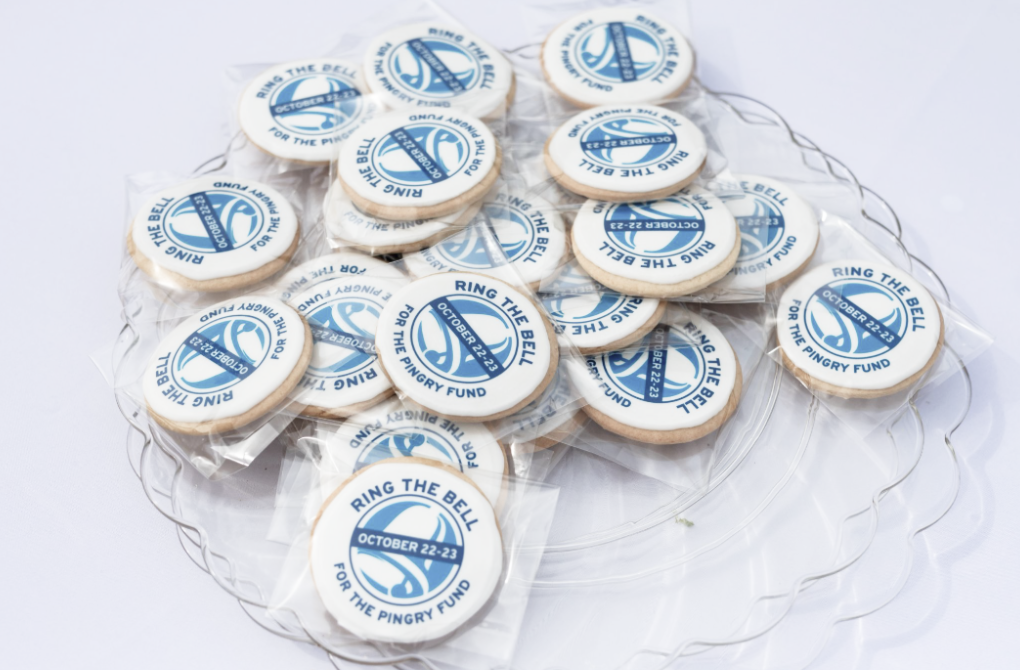
- Branded cookies at Friday Night Lights and at lunch
- Window clings with student and faculty quotes at the athletics entrance
- Lawn signs and entrance banners at every campus
- A coffee cart for faculty and staff
- A car line welcome at the lower school, with a red carpet, music, pom-poms, the mascot, and the head of school
7. Celebrate in public
Eford makes volunteering a game and shares the scoreboard. After Ring the Bell, a recap email ranks classes by participation, dollars raised, and emails sent, and calls out top performers. In 2025, the Class of 1999 led with 16 donors and $11,324 raised. Challenges and matches go out as announcements inside the platform.
Advocate incentives run automatically. When a volunteer’s link produces a gift, GiveCampus notifies the team, and the volunteer earns a reward. A first gift earns a Pingry keychain, top performers receive swag bags, and volunteers who take on a double load get a handwritten note.
Pingry also hosts three thank-you events each year:
- A fall kickoff reception before Ring the Bell, with the head of school, division heads, and the administrative team. Volunteers can bring a friend who might want to join, which builds recruiting into the celebration.
- A spring all-volunteer breakfast
- An end-of-school-year thank-you reception
For volunteers outside the area, Eford sets up small dinners or one-on-one coffees when she travels.
The results: more donors, more dollars, and time back
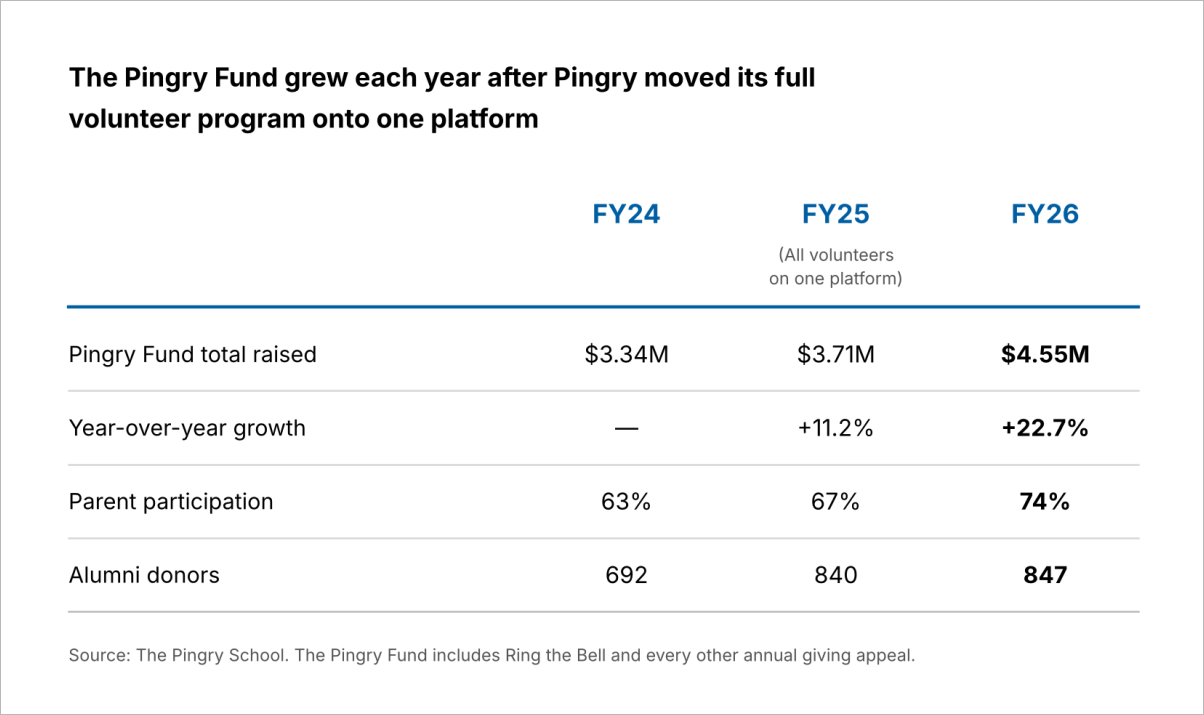
Pingry brought alumni volunteers onto the platform in FY25. Here’s how the Pingry Fund, which includes Ring the Bell and every other annual giving appeal, has changed since the year before:
Volunteers drive Ring the Bell’s growth
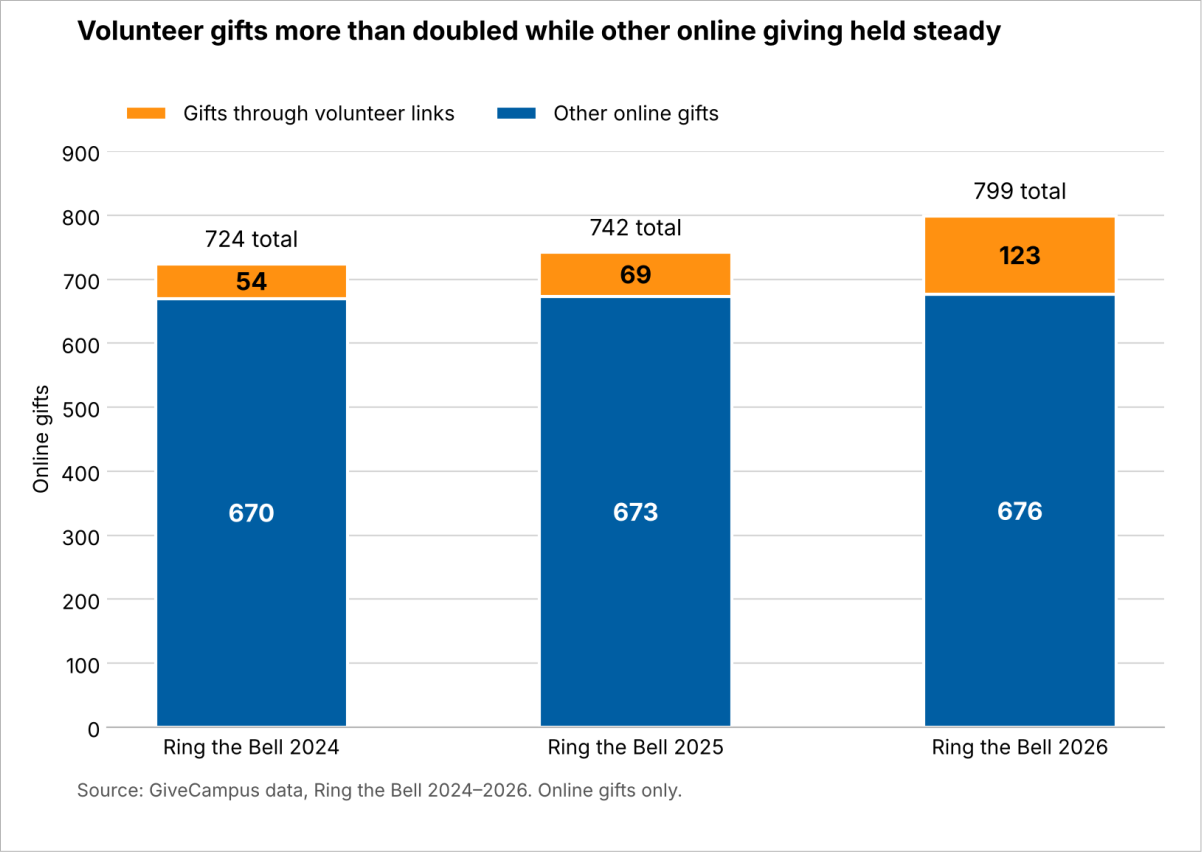
Ring the Bell grew from $2.23M in 2024 to $3.10M in 2026. Over the same three years, online gifts through volunteers’ personal campaign links more than doubled, from 54 to 123, while other online gifts held steady. In 2026, those links raised $121K, up 77% from 2025.
Volunteers accounted for all but three of the 57 additional online gifts in 2026, including 15 from donors who had lapsed for years or had never given. Because these figures count online gifts only, they understate what volunteers brought in.
How peer schools can apply this
- Onboard yourself first. Your volunteers will match your comfort level with the platform.
- Shrink the job description. Three clear asks on one page will recruit more volunteers than a long handbook.
- Write every template, and match them to the calendar. If volunteers only have to add a personal line and hit send, more of them will send.
- Give every volunteer a trackable link. Use the data to coach volunteers and recognize your top performers.
- Anchor the year on one giving day. A predictable moment gives volunteers, donors, and students a rhythm to follow.
- Celebrate in public, and use your events to recruit. Leaderboards, incentives, and bring-a-friend receptions keep volunteers coming back.
Key takeaways
Every play in Pingry’s program comes back to one trade: staff invest the time up front so a volunteer’s few minutes can turn into a gift. That trade grew the Pingry Fund, brought in donors the school’s own appeals had missed, and gave Eford her time back.
Trading spreadsheet anxiety for modern software gave us our time back and made volunteering fun again.Mackenzie Eford The Pingry School
Bring Pingry’s playbook to your volunteer program
Pingry built this program in GC Volunteer Management. The latest enhancements to the platform are a product of programs like Pingry’s, adding more gamification, recognition for volunteers on a streak, direct communication with volunteers inside the platform, and a dedicated training and resources section.
Book a demo of GC Volunteer Management
This Master Class is based on Mackenzie Eford’s GCPC’26 session, “Ditch the Spreadsheets & Start Empowering: Smarter Volunteer Management with GiveCampus.” Watch the full session to hear Eford walk through her program.
Frequently asked questions
How does Pingry train volunteers?
Every volunteer attends a virtual training session with a GiveCampus representative before Ring the Bell. The recording stays in the platform for refreshers, and volunteers who join midyear get a one-on-one Zoom walkthrough.
How much time does Pingry ask of volunteers?
Less than five hours per school year. Volunteers commit to one training session, at least two contacts per assignment before Ring the Bell, and their own gift to the Pingry Fund.
How does Pingry track volunteer impact?
Each volunteer shares a personal campaign link, so the team can see every click and gift their outreach produces.
What is Ring the Bell?
Ring the Bell is Pingry’s annual 48-hour celebration of giving, held each October in honor of founder Dr. John Francis Pingry’s birthday. In 2026, it raised $3,100,100 from 1,125 donors.